
 Français
 Nederlands
 Deutsch
News, Professional applications
Using Drones for Aerial Spraying in Belgium and Luxembourg: A Complete Guide
Aug
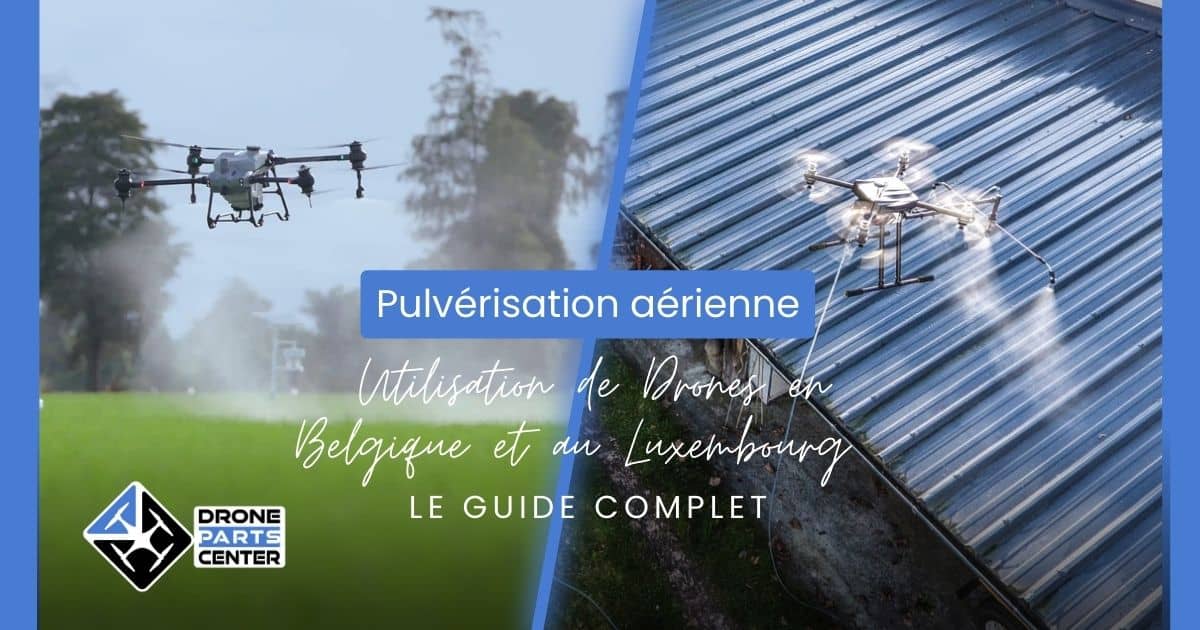
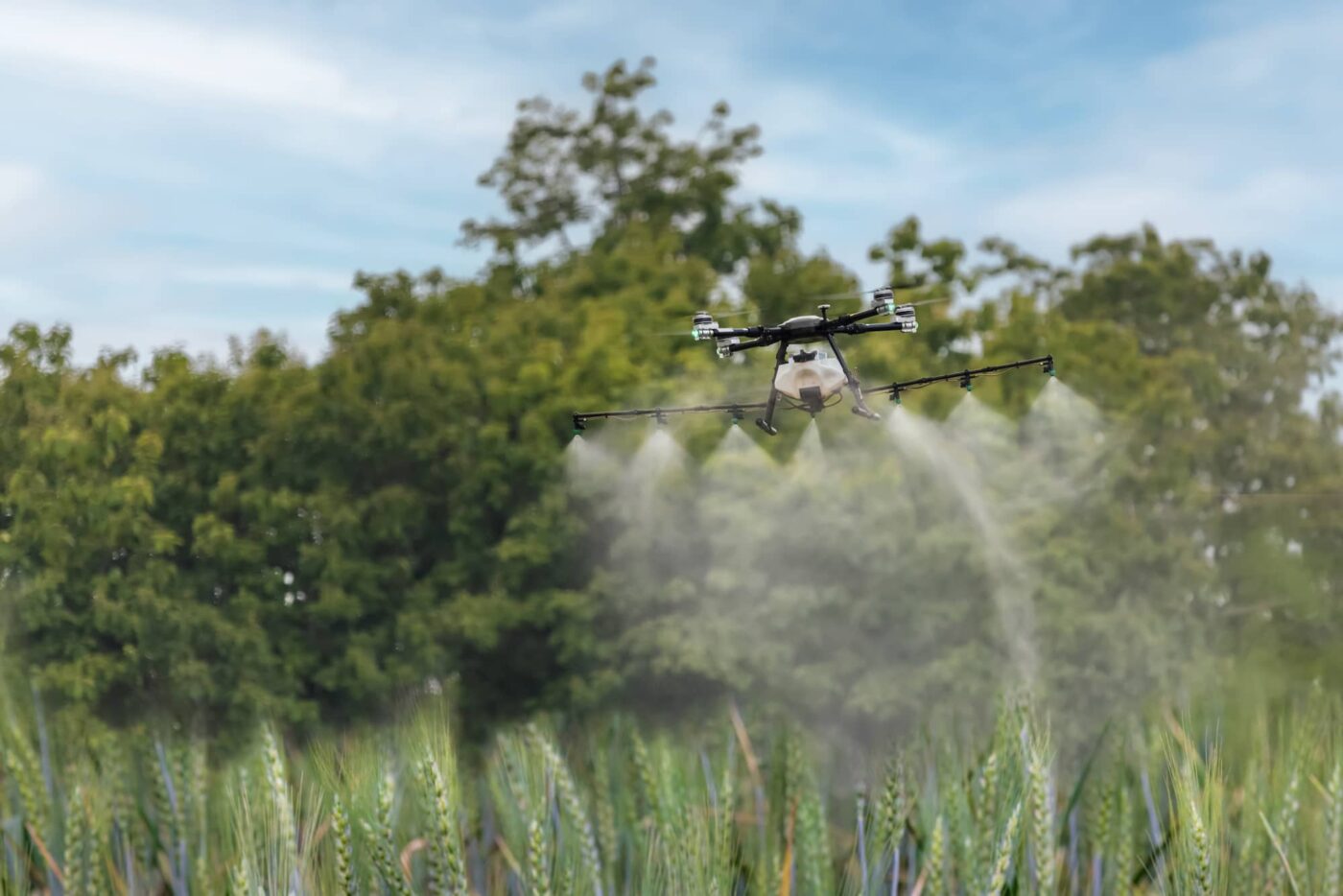
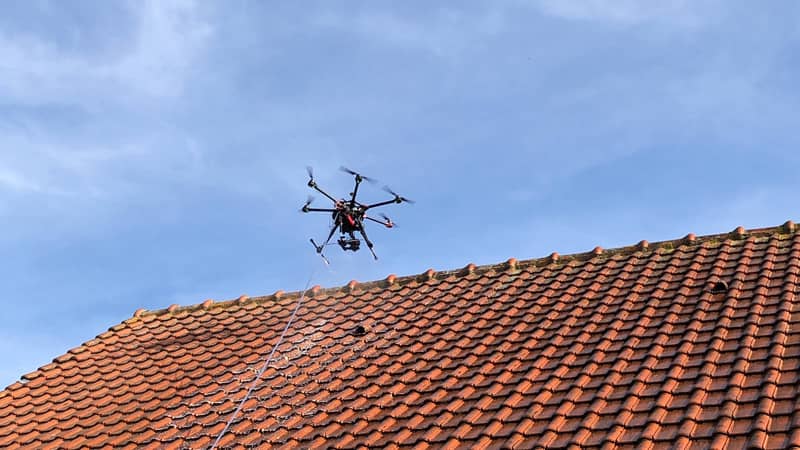
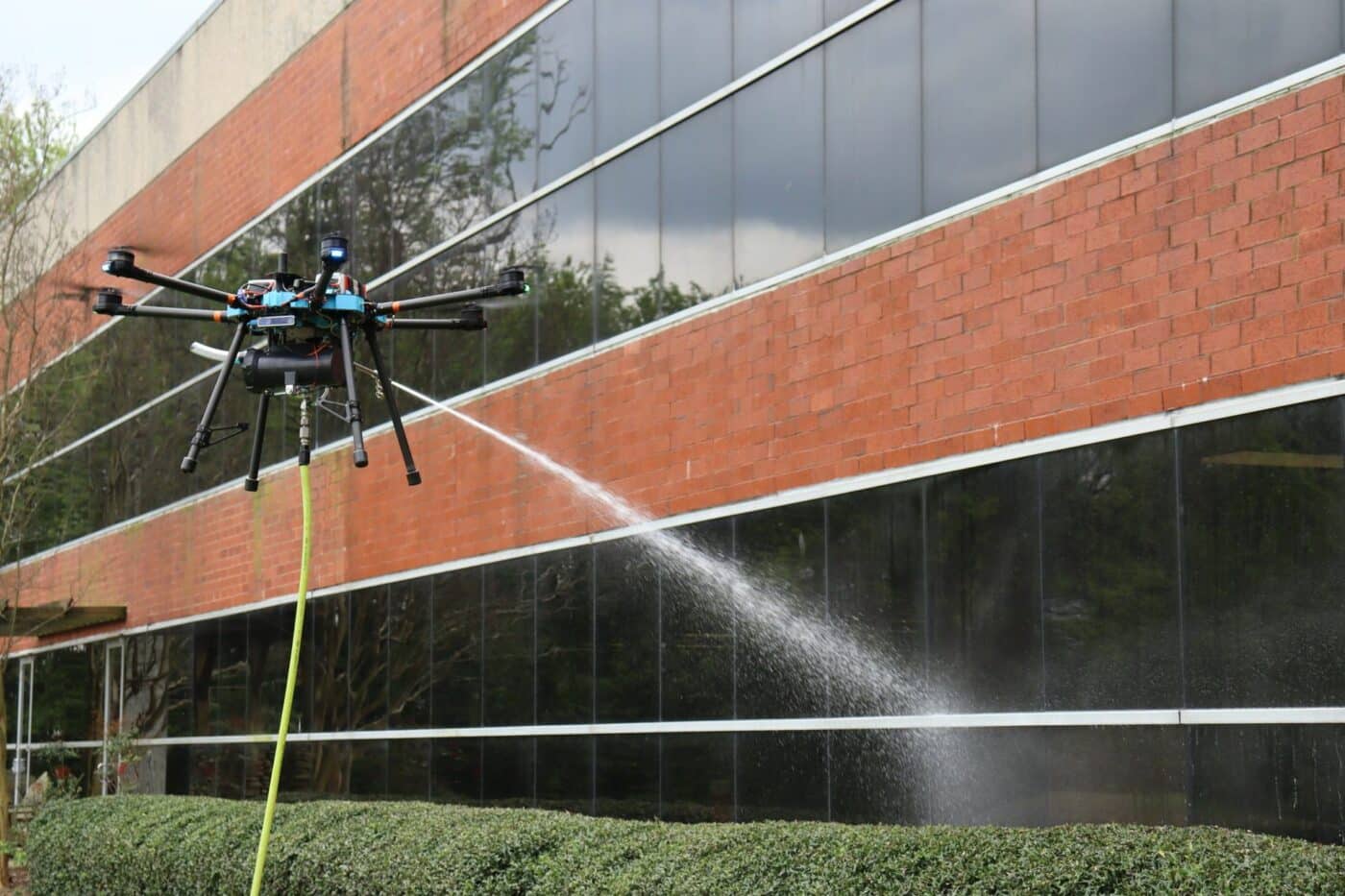
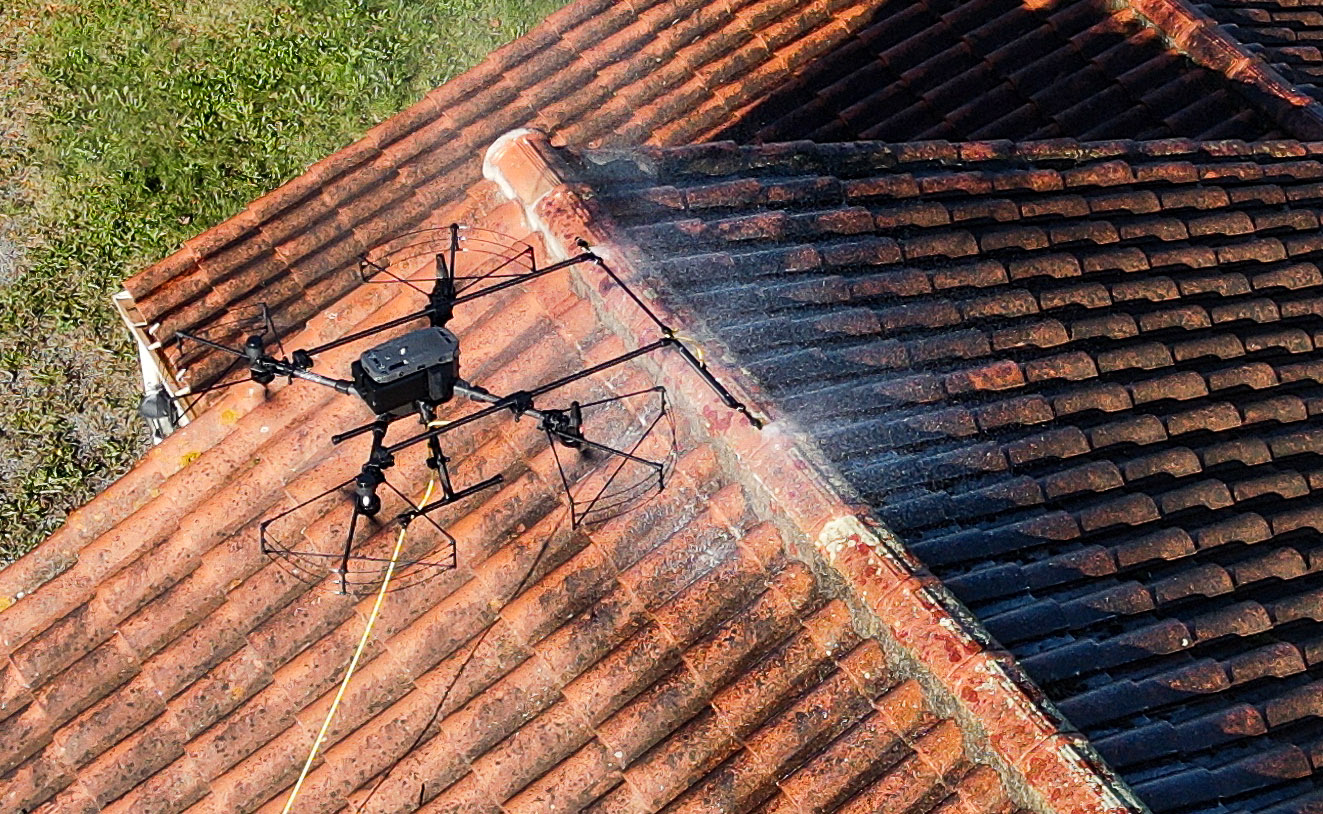
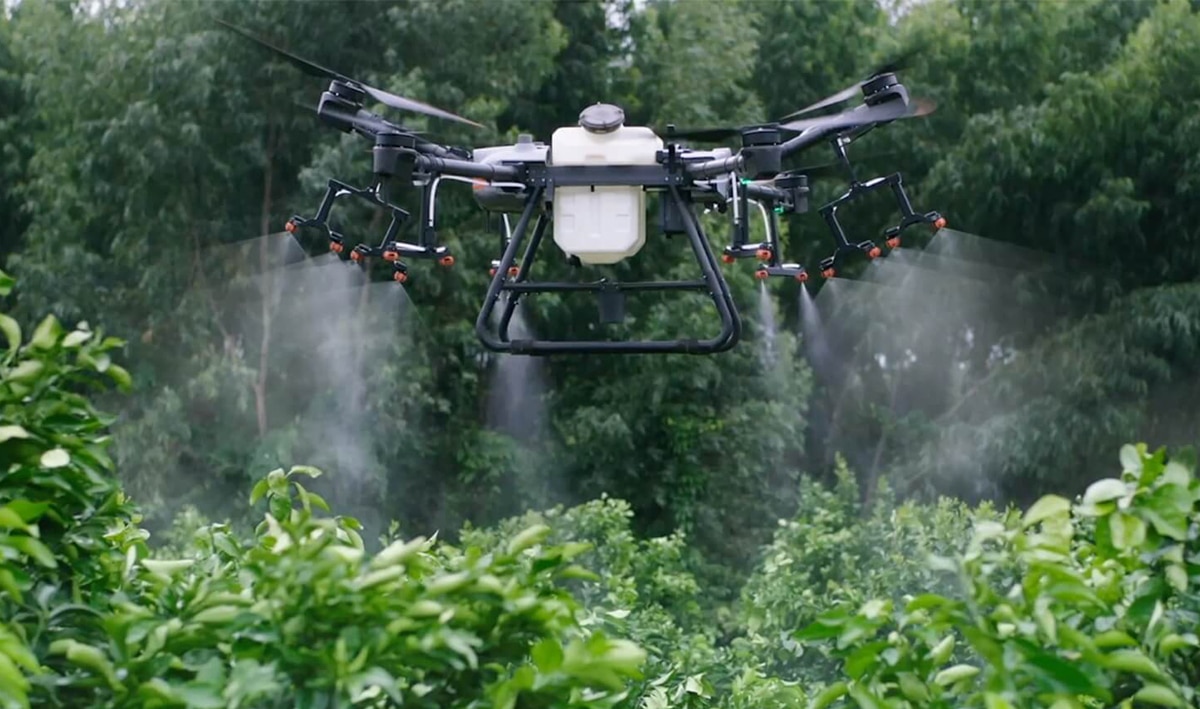
The use of drones for aerial spraying as part of building cleaning or agricultural spraying has become a common practice in many countries. However, regulations vary from country to country. In this article, we will explore in detail the regulations applicable in Belgium and Luxembourg for aerial spraying.
Regulations applicable in Belgium
1. UAS (Unmanned Aircraft Systems) legislation
UAS legislation in Belgium for aerial spraying is governed by Regulation (EU) 2019/947 and Regulation (EU) 2019/945, as well as by the Royal Decree of 19 March 2013 on the sustainable use of plant protection products and adjuvants.
Drones used for aerial spraying or agricultural spraying are not allowed to fly in the Open category in Belgium. This includes tethered drones. They must be used in the Specific category, and there are two possibilities to evolve in this category:
- PDRA (Predefined Risk Assessment): A risk analysis carried out by the authorities for a generic scenario. The PDRA-S01 is suitable for the intended mission and has specific conditions to be met, such as flight height, weight, controlled area, etc. The financial cost is at least 754 euros in 2023, and the average time to obtain it is four months.
- Particularity : the first PDRA granted by the authorities is linked to the geographical locations mentioned in the file, i.e. the authorization is only valid for these addresses. A PDRA authorisation without any location constraints on Belgian territory is only possible after having submitted several PDRAs accepted by the DGTA. The aim is for the DGTA to establish trust with the operator through on-site control.
- SORA (Specific Operational Risk Assessment): Another option is the introduction of a SORA folder. The difference with the PDRA is the absence of a checklist of conditions to be met beforehand. The cost and localization constraints are similar to PDRA.
2. Legislation on the use of plant protection products and adjuvants
The DGTA (Directorate-General for Air Transport) requires the operator who submits an application to use a drone for aerial spraying (cleaning of buildings) to have an opinion from the FPS Health on the classification of the product used for cleaning. In the agricultural sector, the spraying of plant protection products and adjuvants requires ministerial authorisation.
Regulations Applicable in Luxembourg
Like Belgium, Luxembourg also applies European legislation regarding the use of drones for aerial spraying. The exclusion zones, the deadlines for obtaining an authorisation, and the procedures for the submission of a PDRA or a SORA file are identical to those in Belgium.
The only notable difference is in costs. Currently, the submission of an application is free of charge in Luxembourg.
Current Regulation
Since 1 January 2024, new regulations have been in force:
- Drones must be equipped with a European identification beacon.
- The European standard scenario STS-01 applies, allowing operators to fly under certain conditions (Drone marked with class C5) in all European countries.
Conclusion
The use of drones for aerial spraying or agricultural spraying in Belgium or Luxembourg imposes lengthy administrative procedures, delays and additional costs (in Belgium) that can impact the profitability of the project.
The regulations in Belgium and Luxembourg are complex and require a thorough understanding of the different categories and requirements. Operators should be aware of the costs, timelines, and geographical constraints associated with using drones for aerial spraying in these countries.
| UAS regulations to be complied with | Spray product regulations | ||||
| Frame | Deadlines | Geographical constraints | Costs | Contact Service/Restrictions | |
| Belgium | PDRA, SORA | 4 months | Yes, initially use of the drone limited to the addresses mentioned in the file | 754€ min | Product validation with the FPS Health |
| Luxembourg | PDRA, SORA | 4 months | Yes, initially use of the drone limited to the addresses mentioned in the file | None | No constraint if the product is not considered “Dangerous Goods” |
In short, drone regulations for aerial spraying are an ever-evolving field. Manufacturers will be obliged to comply with this by 2024.
As a professional, it is essential to stay informed and in compliance with local and European laws.